Showing posts with label Nutrition. Show all posts

Monday, August 25, 2014

Nutrition #8 - Nutritient Biochemistry for Dummies - Carbohydrate Primer

This blog post will explore the basics of nutrient metabolism, and the different macronutrients and micronutrients necessary to sustain life.

First of all, see this chart?
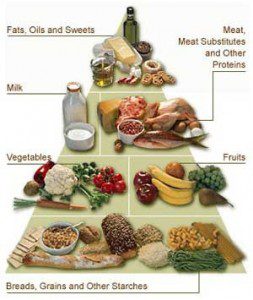
Throw this out the window. 'Whole grains' are NOT as good for you as we've all been raised to believe, and I am hopefully going to help you understand why. The food pyramid was created by our glorious agriculture companies in order to create a massive market for these huge crops like corn, wheat, barley, rye, and other grains in America. 

Macronutrients

Macronutrients are the primary building blocks in food. The three primary macronutrients are carbohydrate, protein, and fat. Alcohol is also technically a macronutrient, but is much less common in our food sources, and is a fermentation of carbohydrate. Each macronutrient plays many different roles and provides a variety of functions in the body. They are required in varying quantities based on your activity levels, your lifestyle, whether you are male or female, how much and how well you slept, your circadian rhythm, your climate, your environment, your exposure to stress, your hormone levels.... Basically everything will influence how much or how little you will need in these three quantities in order to function optimally. I am not going to explain exactly how much for each little nuance as that will take days of tinkering, calculation, and bloodwork, but I can help you understand how to get on the right track.

What is a carbohydrate?

A carbohydrate is a chain of glucose molecules, which are simple sugars. Simple sugars (glucose) are the primarily source of fuel for every cell in the body. Glucose can be metabolized for energy by the cellular powerplant called the mitochondria. Now, glucose can be stored in the body for use at a later time as glycogen, which is the storage form of this molecule.
The natural cycle of the carbohydrate: carbohydrate is the long-chain storage form for glucose in plants such as legumes, tubers, and fruits, which is then broken down in the body into glucose, which is then either readily used as fuel or stored as glycogen in our muscle cells or liver.

Simple carbs vs. Complex carbs
Carbohydrates come in two types that we have all heard - 'simple carbs' or 'complex carbs'. Simple carbs refer to very short-chain glucose combinations, monosaccharides and disaccharides. A monosaccharide is just one sugar molecule while a disaccharide is a combination of a sugar and glucose. Other monosaccharides include fructose, which is the primary simple sugar in fruit, and galactose, which is found in dairy. A great example of a disaccharide would be sucrose, which is common table sugar - a glucose molecule and fructose molecule bound together. When simple carbs are consumed, because they are already broken down to their core components they are readily absored into the bloodstream, causing a rapid spike in blood sugar. A rapid spike in blood sugar will cause an insulin response, which we will talk about later. Basically, it is not good unless strategically used to refill muscle glycogen stores.

Complex carbs, on the other hand, are polysaccharides, meaning long-chain glucose molecules. Polysaccharides examples include cellulose and starch, which is what we hear about most often. These chains can be tens or even hundred of glucose molecules long, and our bodies have to break down this chain via hydrolysis - the cleavage of a chemical bond by adding water. (Have you ever gotten very thirsty after a huge carb binge? This might explain that. ) From there, we can metabolize the glucose molecules individually and send them off where they need to go. These complex carbs, due to their structure and the work required to absorb them, cause a much more gradual rise in blood sugar as our body slowly metabolizes the glucose from the chain. More gradual rise in blood sugar = less of an insulin response = less storage of fat. More on that to come.


The Glycemic Index
The Glycemic Index score, or GI score, is a scale used to determine how much of an effect a particular food has on your blood sugar. On a scale of 0 to 100, it ranks foods on the increase in blood sugar for consuming 50 grams of carbohydrate from that food source versus 50 grams of pure glucose (which would cause the biggest increase).

See below chart:
Just a side-note, the GI impact of food will also be altered based on what else you ate with it, hydration, and other variables. The biggest thing that will reduce the immediate rise of blood sugar is fat consumption alongside the carbohydrates. Now, I am not recommending you go out and slather your pancakes with butter, this is just to explain why you see something like a snickers bar having a lower GI than a peach.

Which type of carbohydrates should I eat?

Carbohydrate consumption is something that varies by the individual. One of the biggest things I recommend is that we cut out all nutrient devoid carb sources of any kind. From there we want to focus on eating carbohydrates sourced primarily from plants - starchy vegetables and some fruits. These types of carbs will generally have lower GI impact, and are accompanied by fiber, vitamins, minerals, and other nutrients. One thing we want to always look at when choosing food sources is the relative nutrient density of that particular food. This will keep you from feeling hungry, tired, low energy, or having cravings, among other things. Oftentimes we eat a meal then feel like something is "missing", or we feel unsatisfied by that meal. This could be a sign you are missing a particular vitamin, mineral, or other micronutrient and your body is telling you to keep eating until you fill that gap.

So choose carbohydrates that come from whole food sources, as unprocessed as possible. If you fully eliminate the carbs from processed sources, things like wheat and dairy, and you're consuming no-sugar added beverages or sweetened drinks (water, unsweetened tea, etc), it is likely you will have a much more reasonable carbohydrate intake without even tracking any your consumption.

The problem is most people have grown accustomed to having carbohydrates for breakfast, lunch, dinner and snacks. Wheat and/ or dairy products are the staple of every family's kitchen. Cereal or toast with breakfast, a sandwich at lunch, pasta with dinner, and crackers or chips for a snack. Right there we have succeeded in spiking our blood sugar and releasing insulin (remember - this is a fat storage hormone) multiple times through the day, and we are riding a roller coaster of ups and downs of energy from the peaks and troughs of the blood sugar levels through the day. At the same time, we are not really getting much relative nutrition in terms of micronutrients per calorie.Combine all this with the fact that gluten (the protein found) in wheat actually impacts the brain in the same way heroin does (here is one study that talks about this), we have uncontrollable cravings that lead to overeating, lack of satiation, binge eating and even negative hormonal effects, among other negative impacts.

Talk about a problem! These are are all standard issues with the modern American diet.... and will continue to be as long as agriculture companies continue to monopolize the food market and be responsible for creating things like the food pyramid. And here we are, led to believe our whole lives that "whole grains" are good for you and to consume 8+ servings a day. This is ridiculous. I'll do a post later on, about the detrimental effects from gluten, but for now the general consensus and recommendation is to stay away from it and replace these types of foods with actual food, not 'frankenfoods' or a GMO (genetically modified organism) crops such as wheat. Cereal grains (wheat, rye, barley, etc) tend to have high toxin load due to storage/ shipping after harvest. Reduce this by eating foods that you could theoretically remove from the ground and consume, and you will begin to feel much better. Who ever heard of bagels growing on trees?

When should I eat carbohydrates?

As I mentioned earlier, the problem we see very often is that people consume some form of carbohydrate with nearly every meal, causing insulin response and fat storage. By turning off this response through limiting carbohydrates to specific meals at specific times, and consuming the right kind of carbs, we spend more of our waking day in a state of lipolysis, or the break down of fat for energy. This is our natural state in the absence of circulating blood sugar - we need to get energy from somewhere! While we do release some from energy from our liver, based on the stored glycogen there, we are also breaking down adipose (fat) tissue in the absence of carbs.

Where I am going with this - be selective in your carb consumption. I recommend spending as much of the day in a low insulin state as possible. I also recommend exercising in this low insulin state to better break down and mobilize fat for energy. Studies have shown low insulin during workouts can actually improve MPS (muscle protein synthesis). Combine that with the increase in fat burning you get while resistance training or exercising in general, and you are on the road to getting lean.

So eat your carbs either after your workout when you are in an insulin sensitive state, or with your last meal of the day. I usually eat all my carbs with my last meal of the day, and it comes out to around 100 grams a day of total carbohydrate consumption. I stick with sweet potatoes usually but also consume carrots, beets, butternut squash, and berries regularly. All these foods are great carbohydrate choices, and when you eat them with the last meal of the day you will experience an improvement in your sleep quality. This is because these types of carbs will stimulate serotonin production in the gut, a hormone responsible for creating melatonin.

Last Words

There you have it - that is a breakdown of some basic carbohydrate biochemistry, and the basic mechanisms behind how they play a role in either fat storage or fat burning. Hopefully I helped someone understand a bit more on what they do. I will do additional blog posts on the biochemistry behind protein and fat in future episodes. For now, choose the right carbs to eat at the right times and watch your body fat regulate itself to more natural levels. It really is that simple. Good luck on your journey to health.

Wednesday, August 20, 2014

Nutrition #8 - Ten Day Health Detox - 21 steps to holistically restore mind, body, and spiritual health

How many times have you tried to 'diet' and failed after a week? How many times have you read about some new 'diet' method and thought it sounded real cool and tried it out, only to be disappointed after seeing very little of the promised results? How many times have you wished you just knew how to prepare and eat clean, healthy food that made you feel good and lose fat? Then when you go to educate yourself on it, there is simply so much information out there you have no idea where to start or what to do, so you go from eating standard American food to chicken and broccoli and hate it. These are all major roadblocks to us reclaiming our health.

Read on for motivation and inspiration to eat 'the right way', along with other lifestyle principles that all integrate to create the perfect you. Allow me to guide you to fully reclaim your health. I assure you that if you follow at least some of the tips that I outline in this post, you will rapidly take control of your life and see performance, health, and happiness skyrocket so quickly that you will have little choice but to continue to live such an optimal lifestyle. 

What is a 'Diet'?
The majority of the time, we hear the word 'diet' and we think restriction, calorie counting, measurements, and stress. 'Dieting' has literally become a fad as of recent years, and due to media and other societal pressures, we are being driven by fear to eat bland food and restrict ourselves. This should not be the case. 'Dieting' should be liberating. In fact, let's scrap the word 'diet' altogether - I strongly dislike using this term at all. Being on a 'diet' implies a temporary change to eating habits. This should never be the case. Eating healthy should be a lifestyle, and simply making the changes necessary to support a natural and healthy life will result in lifelong fat loss, health, energy, and optimal performance.

You're Closer to Health than You Think
Depending on your current state of what I refer to as 'modern human neglect', you are anywhere from several days to two weeks away from full reclamation of your health. 'Modern human neglect' = your body is experiencing standard wear and tear over years of partying, alcohol, possibly smoking, lack of exercise or incorrect exercise, poor nutrition and other less intelligent lifestyle decisions. I do not say this with insult. I say this with sincerity in a hope that it helps you self-reflect and be critical about your current state. Being aware of yourself and being able to accurately assess your health is so important to being able to take the right steps forward. And just because you got to the gym 6 days a week and tracking your food intake every day doesn't mean you are the image of health - in fact, you may be over-stressing yourself and damaging yourself further. Trust me, I am speaking from experience.

Give Yourself an Assessment 
That being said, take a look within and honestly assess your health. How do you feel when you wake up? Do you wake up tired still, as if you barely slept? Do you have trouble falling asleep, and staying asleep? Do you feel stressed through the day? Do your energy levels rise and fall through the day? Do you experience mood swings or random emotions with no explanation? Do you respond well to stress? Are you happy most of the time or only some of the time? Do you find yourself thinking negative thoughts? Is self-discipline something that wanes quickly through the day and you find yourself making poor nutrition choices by 3 PM after having such a great day so far? Do you rely on caffeine to stay productive? Are you spinning your wheels at the gym and wondering why fat loss has stalled? Do you find yourself making goals but remaining dead-in-the-water when it comes to progress towards those goals? The list goes on....

Answering yes to any of these issues could mean that there are gaps or holes in your current lifestyle preventing you from living an optimal life. I am sure if you could take a magic pill to be able to answer 'No!' to all of these questions, you probably would. Heck, I would too. But, that is not what life is about. Life is about being able to overcome these difficulties and challenges by creating such a life for ourselves that it is easily possible to conquer these external circumstances. And I am telling you right now, that you can create this life through a simple but systematic process.

Reclaiming your health requires these separate yet integrated principles which I will briefly talk about, then I will launch into a ten day plan to totally re-haul these items, and develop a simple plan to incorporate them into your life.

  1. Being - The first yet most important principle is defined simply as 'being'. Abiding by this concept means that you are present in the moment. You deal with things as they come. You do not dwell on the past and you create the future through your current state of mind. You listen to people as they speak. You enjoy the beauty of the world as it unfolds before you. You have deeply held inner beliefs and principles that allow you to respond to all situations as they arise in a positive and creative manner as opposed to a reactive manner. You are simply 'being'. Living like this will remove fear from your heart, eliminate stress, and literally change the physiology in your body. Science has proven that thoughts can literally change the DNA expression within our cells! Imagine that. Just be as you are.
  2. Exercise - The second principle in your journey to health, is the facet of exercise. Socrates said it best when he said "No citizen has a right to be an amateur in the matter of physical training. What a disgrace it is for a man to grow old without ever seeing the beauty and strength of which his body is capable." Now I am not saying you need to go out and squat 1000 lbs or bench press 500, or run a 4 minute mile. While that would be totally cool and awesome, it is not necessary. All that is required is for you to move your body through the various ranges of motion nature has intended for us to move, and do so with balance. Go for a walk in the morning. Play with your kids. Run, jump, swim freely. Lift heavy weights if that is your gig. Play a recreational sport. Just do something. We evolved to be agile, fast, and strong so that we could capture prey. Don't forget that millions of years of evolution has fine tuned your body to be quick and powerful, not to sit behind a computer screen. 
  3. Nutrition - Another foundation concept. What you choose to put in your body is what you get out of it. Insert poor quality food, exude poor quality physical and mental characteristics. The nutrients, vitamins and minerals in food communicate with every cell in your entire body - they deliver messages encoded in the biochemical and physiological responses that occur during our daily processes. Millions of enzymatic activities are occurring every second in your body. Cells are dying, dividing, and recreating. Build yourself up with the best possible bricks to create a magnificent fortress, called the human body. Eat as mother nature intended and I promise you will be astounded as to what I feels like to be an optimal human being.
  4. Connection - The last principle on the list. Connection. Being able to feel connected to something. A part of something bigger than just yourself. People find this in community, clubs, charity, religion. work, relationships. Anything or anywhere that you can contribute so that you feed the social requirements our soul desires. Get out and get involved. Connect with people, places, or things. Find a meaningful message and believe in something. We all have a purpose. Surrender yourself to this purpose and be guided by it. This makes everything else come naturally. 
So now that you know the foundation and have a sense for what these ideas mean, begin thinking about how will abide by these principles in your own, individual and personal way. 

The last thing I will leave you with is what I call the "Ten Day Detox" - a holistic plan that integrates all the above principles into a daily plan of action that if you follow for just ten days, you will literally change your life. Once you know what it feels like to be truly alive, to master your emotions, to feel the iron discipline supported by faith, to have every cell in your body functioning at a higher level, and to rewire your body's mechanics to run optimally.... there is nothing that can prevent you from achieving whatever it is you hope to achieve. 

To reclaim your health, follow these daily principles:

  1. Go to bed at the same time every night, and get up at the same time every morning. If you are a night owl, try going to bed before midnight and inching back by 30 minutes earlier each night. Research has shown if you are not asleep between midnight and 3 AM, you have a severe reduction in certain recovery properties of sleep that only occur during those hours. 
  2. No TV before bed, no FaceBook or Instagram or e-mail checking when you wake up.
  3. Every morning, wake up and write 3 things you are thankful for and 3 things you are looking forward to today. When you go to bed, re-affirm 3 things you were thankful for (can be same or different), and 3 things you want to accomplish tomorrow.
  4. No eating within 2 hours of bed-time. 
  5. Eliminate all added sugar. Literally consume zero sugar during this time. It is only ten days.
  6. No caffeine after 2 PM. This disrupts sleep quality.
  7. No alcohol. Again, only ten days. You can do it. Your true life is calling, and it literally depends on this.
  8. Consume a mid-sized breakfast within 30 minutes of waking, after your journaling and teeth brushing, and have only protein and fat in this meal. 
  9. Limit carbohydrate consumption to after at least 5 PM, preferably with your last meal of the day. Consume anywhere from 50-100 grams of starch depending on your activity levels. These means 1 or 2 large sweet potatoes, or 1/3 to 2/3 cup of (dry) rice. 
  10. Consume zero gluten and limit grain consumption. This means no wheat products such as bread or pasta, and preferably zero corn or soy containing substances. In America, we rely on a super strain of genetically modified yeast to ferment extremely quickly and combine that with GMO wheat, we have a super resilient form of bread products that wreak havoc on our gut and contribute to a whole host of other problems, including things like depression and other hormonal impacts. 
  11. Eat wild caught fish, organic grass-fed beef/ lamb/ bison, or shellfish everyday. These meat products contain essential amino acids and vitamins/ minerals responsible for optimal brain health and body function. Consuming meats from high quality sources versus conventionally raised fish and beef means we are fully eliminating grain toxins, which are present in these conventionally raised animals, due to the fact that they are fed the corn, soy, and GMO wheat we are trying to avoid. Combine this with the fact that they are fattened up to improve taste, and animals store most of their toxins IN their fat cells, and we are basically consuming toxin-laden crap. Do yourself a favor and avoid this, and support the natural resources. 
  12. Consume large amount of plant based products. Aim for at least one pound of green vegetables per day, and more if you enjoy it. After just a couple days of this detox you will find that you have a palate for broccoli again. 
  13. Along with above - bust out the blender and use it to your advantage. Blend up large amounts of these vegetables with water and just chug it down. This is the easiest way to quickly detox, as plant matter will help bind to the toxins you will be excreting and eliminate them for your body. Walk through the organic produce aisle at your market and get between 4 and 6 varieties of green vegetables such as spinach, kale, chard, celery, cucumber, parsley, etc. and blend those with a wedge of lemon, some fresh ginger and turmeric (highly anti-inflammatory and anti-microbial), and several squirts of stevia to sweeten. This is an easy way to consume an extremely nutrient dense shake in a short amount of time. 
  14. Consume organic produce, and shoot for local when possible. Organic means they are pesticide free and this will limit amounts of additional toxins you will be consuming. Local will ensure better nutrient integrity - when produce is shipped from many miles away, it is picked early and damaged during packaging and shipping, reducing the total nutrient load. Also, local produce will ensure you have a deliver a regular circadian message to your body and keep it in tune with the seasons. This is not hippy bullshit - live on Earth evolved around a circadian clock, and all of your cells are still wired this way. It is important that we follow this natural rhythm of the Earth for optimal functioning.
  15. DRINK WATER !!! At least half of your bodyweight in ounces per day. Drink twice as much during this detox to help facilitate the elimination of waste and toxic build up in your body. Avoid tap water and go for RO (reverse osmosis) or filtered water, to reduce heavy metal consumption.
  16. Go for a twenty minute walk at least once a day and focus on your breathing. Turn off your phone during this time and just walk. Preferably early in the morning or late at night to unwind. Count your steps and breathe through your nose in a rhythmic pattern. Four breathes in for each right foot, three breathes out for each right foot. This is a very easy way to reduce cortisol levels (stress hormone),  stimulate the lymphatic system, get easy exercise in and meditate.
  17. Force yourself to smile upon rising every morning and tell yourself how excited you are to be alive and to be reclaiming your health. 
  18. Give love freely to other people - compliment a stranger at least once a day. A real, genuine compliment. 
  19. Smile to everyone. 
  20. If you are up for it, more rigorous exercise at least 3 times per week. This can be anything - aim to get the heart rate above 160 BPM. Intense hiking, short sprinting, bodyweight exercises, resistance training, sport. Incorporate these into your week.
  21. Most of all, respect yourself. Understand that this is a change in your lifestyle. Shift your internal responses from "I can't" to "I can". Avoid the negative thoughts that permeate your mind. Instead of turning down the donut at work and saying "I can't", you simply say "no thanks" because you respect yourself and strive to feel amazing. You know deep down inside that eating that donut will not make you feel any better, beyond the temporary satisfaction of consuming it. Invest in the most important and most valuable piece of real estate you will ever own - your body. Commit to this, and follow the steps outlined above.

As you can see, this is quite an extensive list, but I promise you that once you start changing your habits and empower yourself to take control of your life and health, your momentum will pick up and it will become natural. I set the mark at ten days because for some people, you will feel worse in the first couple days upon taking this challenge on, and even up to the one week mark. This is your body removing all the toxic waste that has built up over the years, literally. Both in your mind and your body. The cells are cleaning themselves out. For most people, by day ten you will begin to feel amazing. You will wonder how you ever thought the way you felt previously was "normal". I assure you, make it the ten day mark and listen to what your body is telling you during this time. Observe your thoughts. Watch as your life literally transforms. Always remember - you are in the driver's seat.  Take point #21 to heart. 

Good luck on your journey to optimal living. Thanks for reading and I wish you best. I believe in you, as much as I believe in myself. You contain the power to accomplish anything your heart truly desires. Allow your heart to desire unity with the body and a profound respect for it. Start living. 

Wednesday, July 30, 2014

Nutrition #7 - Become a Student of the Body


Your mind. Your body. Your soul. These three things are responsible for everything you are ever going to experience in life. This is such an important thing to be aware of because by realizing this – by realizing that you are the sum of three simple, yet enormously complex parts, you can begin to shape your life the way you want it.

You must also understand that our physical body is also where the mind and soul are housed. Our physical being is simply the vessel by which we transport our consciousness and spirit around this physical plane of existence. It stands to reason that the physical body is the root of nearly all ailments. This is an empowering belief, as through this realization, we can banish so much poor health, negative thought, depressed emotion, and self-defeating mentality by altering how we treat and understand our bodies.

Our body is an intricately designed piece of biological machinery. The product that we are experiencing today is the result of a billion trial-and-error experiments up the evolutionary biology tree – in order to very precisely fine tune a vehicle called the human. We are the ultimate pinnacle of biological achievement. Mother nature has succeeded in creating an organism with a level of consciousness high enough to simultaneously experience both itself, and the world it traverses. This is another extremely empowering belief – to understand that we have succeeded at the biological level in evolving to this level of higher consciousness.

So – what am I trying to say? Why am I rambling about all this evolutionary biology and the interconnectedness between the body, mind, and soul? It is my belief that thinking about these concepts is an important step in understanding our importance in this world, and also why we ought to treat our bodies as a holy place. When one begins to pay attention to their body, and they start to listen to the internal processes that are constantly happening, their heart and mind begin to open up.


THE ANALOGY

Think about this analogy. What if it took you over 3 BILLION years to come up with the designs to build a Ferrari. Then, it took you 250 million workers multiple tries to actually build that Ferrari, and 249,999,999 of those workers died in order to succeed with its construction. From there, you have a Ferrari – your human body. In case you didn't get the reference, the origin of life on Earth began about 3.5 billion years ago based on varying accounts, and there is 250 million sperm in each male ejaculation.


Anyways – you have your Ferrari, and you have a choice how to drive it. You can choose to drive it primarily on a bumpy dirt road with lots of cracks and potholes which will totally ruin its suspension, so when you go to drive it on a paved road it is jerky and has terrible handling and difficult to accelerate, break, or turn. This is the equivalent of you living a lifestyle and performing exercises which wreck your joint mobility, tissue quality, and muscle integrity. You sit at a desk all day for work and run sprints for the first time in over a year without stretching properly and all of a sudden your hamstring hurts incredibly bad. Weird. Or, maybe you choose to drive your Ferrari on a speed track all the time at top speeds, burning down the tires, and eventually you lose all traction and crash and burn – literally. This is the equivalent to you being on the go nonstop, fueled by Starbucks, Rockstars and take-out without ever pausing for reflection, stress management, and some basic mental and physical maintenance.

Or how deciding to save some money and fill up on unleaded fuel and extend your oil changes, because you’d rather put that money towards something ‘meaningful’, and you drive relatively normally with no problems for years and years. All of a sudden your engine seizes up, and you have to take it into the shop every 3 to 6 months for routine maintenance that could have been completely avoided had you filled up with premium and changed the oil as often as you should. This is exactly what most of us are experiencing today – consuming pesticide laden produce, antibiotic and hormone treated animal products, and preservative laced packaged goods which are toxic to our health, although we do not see immediate negative effects. All for the sake of saving a bit of money so we can get more for our dime.

We might eat like this for years and years and visit the doctor once in a blue moon when we are sick, get some lab tests done and everything comes back “in range”. We get a thumbs up from an overworked Doc who sends us home with a script for some antibiotics that will wreak havoc on our gut bacteria which we don’t even THINK about or are aware of, causing us even more problems down the line that we don’t know about, but we feel better from the drugs and the blood work shows that everything is fine and dandy so we continue living our lives exactly as we have been.


By the time we are in our forties and fifties we are wondering why we libido is nonexistent, we wonder why our backs hurt, why we are tired all the time, why exercising gives us massive fatigue; basically, we wonder why our lives suck. And for the most part, no one ever tells us we weren't supposed to feel this way. The breakdown of the body is common with age, right? We need to wake UP people! No one is going to help you truly understand your body except yourself. No matter how much you learn and see or experience, until you apply it upon yourself and truly understand it, looking within at how the body receives and processes outside stimuli ESPECIALLY the nutrition aspect of it, your ultimate progress will be hindered. There is absolutely no reason why you cannot be playing tag with your grandkids and kicking ass at 60+ (hopefully not their ass).

BECOME A STUDENT OF THE BODY

This is exactly why I do not advocate the typical bodybuilder meal plan, the contest prep meal plan, the fitness competitor meal plan, or the basic healthy gym goer ‘meal plan’. I do not believe in customized meal plans, either. People who sell these products typically are selling the results portrayed by their bodies. I definitely give them massive credit for their discipline, although I am not sure that many of these online personal trainers and dieticians truly understand the body. A lot of times we simply see regurgitated meal plans which have been around for decades. Chicken broccoli and rice anyone? Then on the flip side, we have ‘flexible dieters’ and the IIFYM crew which makes nearly very little sense if you have any value in your human system. I do not blame any of these folks for their beliefs, I just think that they have been misled by media, marketing, and the entire fitness industry. The real science lies with the biochemists, the immunologists, and the metabolic biologists. Not the dude at the gym who is 250 lbs and 6% body fat who has spent years grinding away, acquiring nuggets of useful information but never truly, truly understanding the body.

I am a proponent of intuitive eating and learning what works best for your own biological system. Remember – nutrients are messages to cells. Each cell membrane has receptors on it which unlock or open that membrane to allow different nutrients, amino acids, vitamins, minerals, various chemicals and molecules into and out of it. How are you going to influence those receptors? How do you know which ones to influence at what times, how many, how often, and through what process? All I can say is – I don’t know, and I don’t believe anyone truly does. Although, there are many extremely bright minds hard at work, researching these variables, and I am doing as much as I can to learn from them and apply their knowledge. 

And that is precisely where YOU come into play. I want to empower as many people as I possibly can to become a student of their body. 

And that is where I come into play – I want to help you along this amazing, self-enriching journey.

As I mentioned earlier, no one is going to help you truly understand your body except yourself. So it is up to YOU to become a student of your body. Become a student of the vastly complex and interesting biology that occurs within your physical walls. Seek to understand what is happening on the inside. Give yourself time to grow and understand the inner workings of the body. Learn to appreciate and truly experience this spectacular phenomenon known as the human being.


Once this enlightenment occurs, everything else is easy. 

Wednesday, July 16, 2014

Nutrition #6 - How to Keep a Diet Interesting?

A friend came to me with this question.

I'm looking around for some information on how to keep a diet/meal plan interesting while still convenient. It's not like anyone wants to eat the same food over and over, so for some one in my position who finds themselves very busy day to day tends to eat out more. What would be an easy plan with a lot of variety that isn't hard to stick to?

I thought this was an excellent topic to write about. Many people struggle with this problem. We are too busy, we don't know where to start, we lack the skills and knowledge to structure something that would work with our schedule and specific tastes, online meal plans are boring or lack variety.... There are a wide range of problems and issues that prevent us from following a healthy plan.

We've all encountered the overwhelming feeling of not knowing where to start, but on the flip side I'm sure we've all felt the spark of motivation to begin. This is an important realization to have.

Allow me to outline some of my best tips on how to structure a sustainable diet, and make optimizing your health and your life a priority to you so that eating well becomes an easy habit.

First thing I think everyone should do is read the two posts on the importance of creating goals and then the 5 tips to stay on track with your diet. They are short, easy reads and will really help you create a firm system for adhering to a change in your food choices. By building the foundation in this way, it will pay off dividends to you long-term in your ability to sustain the diet. Without taking these steps, you might find yourself falling off the diet more often, despising your diet, reaching for the ice cream, or a whole host of other derailing behaviors.

Side-note:
My goal is to empower people to in a manner that is sustainable, transformational (not even a word but you get it), and charitable. I hope that people see and understand the difference between simply 'dieting' and a lifestyle change. Taking the right steps to change your life in this way is critical.

Anyways, after you've created your meaningful goals and understand the basics for staying on track, it is much easier to talk about the diet itself. Here are my top tips for being successful with your own nutrition

#1) Breakfast and Lunch 

Breakfast and lunch should be the same thing, at the same time, every day. That way you get very efficient at making or preparing these two meals. Don't think about it, just do it. These should be the fuel that gets you through the day, and allows you to perform and function at your peak. That means absolutely no sugar, no refined carbohydrate, nothing that will put you on a roller coaster of recovery after consuming it. Avoid packaged goods, avoid carbohydrates entirely, and avoid fruit. Stick to protein and fat. Now I know we talked about keeping the diet and meal plan interesting and convenient, so this is where you have the ability to customize to your preference. All that is required is that you get good at preparing two meals consisting of protein and fat. You can do bacon and eggs for breakfast, chicken breast and avocado for lunch. You can do steak for breakfast and steak for lunch. You can put 4 raw eggs + whey protein with some stevia in a shaker cup and shake it up for breakfast, then have a can of sardines for lunch (this is what I do). The point is you do the same thing every day and stick to it.

#2) Three Square Meals a day 

Once you get in the habit of having a high protein/ fat start to the day, it will be very easy not to snack and to stick to the three square meals a day routine. This is very important for consistency. Fat is an extremely caloric dense nutrient and will keep you satiated through the most grueling work hours. The reason we stick to fat in the first two meals is to regulate hunger and avoid snacking, so we can have three square meals a day. This is important for convenience.

So now that the convenience factor has been taken care of, knowing we have two meals down and only one to go, here we can talk about making it interesting.

#3) Cook dinner 

Seriously, sit down and cook yourself a nice dinner at the end of the day. Nothing is more reflective like preparing a meal for yourself, and nothing is more satisfying if you are joined by others. By cooking your own meal you control exactly what goes into it, and can limit all the additives, preservatives, vegetable oils, and other unhealthy junk that goes into food-to-order. This is where you get creative with your diet and have fun in the kitchen. You also can allow your meal plan to open up a bit, because you've had relatively few calories up until now through the day by virtue of only two meals so far. At the beginning of the week, pick out one or two recipes that are relatively easy to make, get the ingredients for them, and master your ability to cook and prepare those meals for dinner. You will get better and better at making that specific dinner, and once you master it you can move on to a different meal to prepare.

#4) Follow the 80/20 rule

80% of the time - eat clean. 20% of the time, allow yourself some treats. This is important for the psychological aspect of dieting to most people. By being entirely restrictive, you are constantly taxing your willpower reserves. Science has proven we have a finite amount of willpower each day. Use that willpower towards more important decisions than avoiding a candy bar. The best way to do this is to follow the steps outlined above and start with the foundation that we talked about at the top. I strongly recommend that during the week, you simply avoid junk entirely. The best practice here is abstinence. It can be tough at first, but eventually you mind simply says "no" instead of really putting up a fight. If it is a weekday, you avoid entirely. Period. If it is the weekend, that is when you can relax a bit and enjoy time out with friends, family, or a treat here or there.


If you follow these basic rules, dieting becomes easy and fun. You look forward to dinner each night as that is your chance to get creative. You become skilled at making a simple breakfast and lunch. And you bust your ass during the week at peak performance since you are functioning off of great food, then allow yourself to dig into some beer and ice cream on the weekend, satisfying that psychological urge before it becomes an overwhelming, diet-crushing binge.

Good luck good mood food dudes!

Friday, July 11, 2014

Nutrition #5 - Trust Your Gut

Sentences like "trust your gut" and "it made me sick" and "gut instinct" are all familiar to us. Have you ever thought about what they actually mean? Turns out there is a lot more science behind these sayings than you would ever guess.

Science proves that chronic diseases like rheumatoid arthritis, diabetes, obesity, and even things like depression and other ailments are all linked to an unhealthy gut. More and more we are figuring out that creating a healthy gut environment is pivotal to our overall health and well-being. 

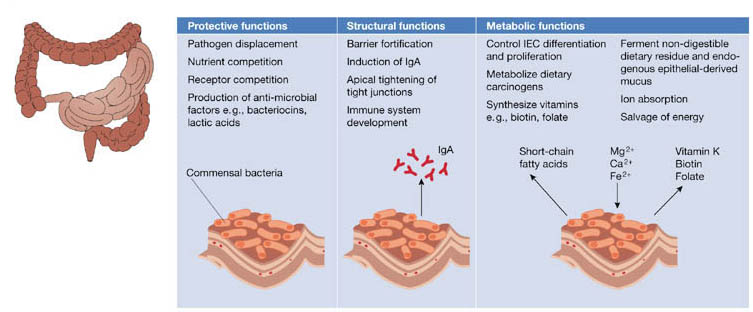
We have over 100 trillion micoorganisms residing inside of our guts. There is more bacteria in our body than our own cells. The human body is literally just a massive physical vehicle for gut bugs to traverse around the world in a symbiotic relationship, and based on modern day diet we continue feeding the bad guys while starving the good guys. 

What I mean by that is we have both healthy and benign bacteria in our bodies that contribute to proper neurotransmitter production (happiness, sleepiness), hormone creation, vitamin & mineral absorption, macronutrient breakdown, and other various but important enzymatic processes. And we have bad gut bacteria, which contribute to inflammation, block the absorption and assimilation of vitamins and nutrients, prevent the breakdown of nutrients in our gut, and are related to a series of other problems in the body that stem from the gut. 

It sounds scary to think about the fact that we have good and evil gut bugs inside our bodies, but this information should be empowering! It is important to know that we have a high degree of control over this population of bacteria - based on what we eat, how we sleep, our circadian rhythm, how we manage stress, and other lifestyle choices like drinking alcohol or smoking cigarettes, we can support either side of the inter-gut war of bacteria that is being waged within us every minute of every day. 

And by supporting the good guys through proper lifestyle choices, we can improve our moods, our sleep, our energy, our recovery, our mental acuity, even things like our sex drive and sense of well-being. 

It is important to realize this so that we can take steps to reclaim our health and win the battle against the bad gut bugs as opposed to letting them dictate how we are. 

The Gut-Brain Barrier
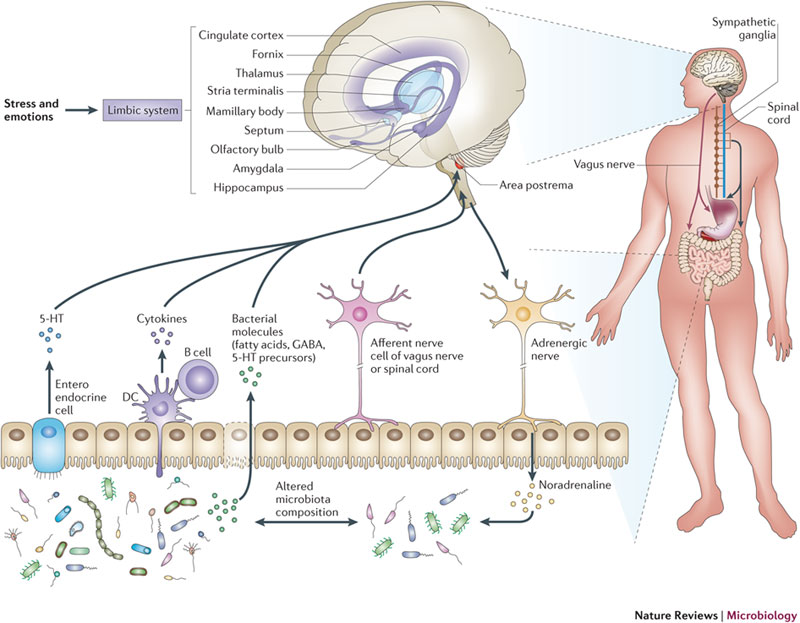
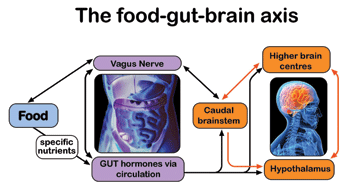
We are learning that the gut and brain are linked directly via something called the Gut-Brain barrier, which is connected to our Central Nervous System. When we are nervous and get a stomach ache, this explains why. Or if we are hungry and our mind loses focus.  Our gut bugs are the 'gatekeepers' to what comes into our bodies, and when we have unhealthy or improperly functioning gut bacteria, inflammation occurs in our gut which can travel upstream and cause brain fog, cognitive decline, hormone disruption, and depression. 

A great mind who has done a lot of research in this field, Chris Kresser, explains the gut-brain barrier very well:
"Now one of the earliest signs of the brain not firing well is poor vagal activity, which will manifest as decreased pancreatic enzyme secretion, poor gallbladder function, and poor gut function overall. And it basically works like this, you have decreased activity in the brain..... and that decreases the activation of the vagal motor nuclei, which in turns suppresses the intestinal immune system and decreases intestinal blood flow. And when that happens you get an increased growth in pathogenic yeast and bacteria, that cause intestinal permeability or leaky gut, which we’ve talked about a lot, and leaky gut causes a state of chronic low grade inflammation. Then the inflammatory cytokines produced in the gut travel through the blood and they cross the blood-brain barrier.....So your brain gets inflamed, you get a leaky brain and then you get inflamed brain."

 Basically what he is explaining is that the brain and the gut are linked via a cycle which contributes to a decline in the health of both if you do not take care of them!

Take Care of Your Gut

So where does that leave us? You are probably wondering how can I prevent this from happening or at the very least, improve my gut health?

I'll tell you how. Here are my top 5 tips to restoring the healthy gut bacteria and limiting the bad ones.

1) Reduce or eliminate your consumption of refined sugars, carbohydrates, and gluten. For many people, this is a quick win. Almost all breakfast food and supermarket aisle packaged goods contain these inflammatory ingredients which our bad gut bacteria love to eat. Cut it out of your diet and you will experience a rapid improvement in health and well-being.

2) Eat soluble fiber. This is another quick win for many - soluble fiber will feed the healthy bacteria in your gut and they will multiply. Soluble fiber also will draw water into your intestines and make you feel full and satisfied. It has also been shown to have a beneficial effect on insulin sensitivity, which will help prevent fat gain. You can find soluble fiber in starchy root vegetables like carrots, beets, squash, and sweet potatoes, which are my personal favorite source of this, but you can also get some in bananas, apples, strawberries, and various fruits and other sources.

3) Eat fermented foods.  Things like kefir, sauerkraut, plain yogurt (no added sugar!!!) and other fermented vegetables are great probiotic sources, which means they help contribute to the good guys population. Be sure to choose raw and organic sources of these in order to get the highest quality.

4) Consume bone broth. Bone broth is extremely rich in collagen, and specifically an amino acid called glycine which contributes to healing our gut lining by patching it up.  Bone broth is extremely rich in various other minerals and amino acids that are deficient in an average diet. I consider it a superfood and big win for almost everyone who consumes it regularly. A cheap way to get the benefits of bone broth without having to cook a crock pot every Sunday is to consume 10 grams of glutamine and 10 grams of collagen or gelatin protein powder from a quality source, which does not provide optimal benefits but still can help heal the gut. I prefer Upgraded Collagen from Bulletproof Executive, which is a bit higher quality than other collagens on the market due to it being enzymatically broken down into our precious amino acids as opposed to being subject to the high heat evaporation method.

5) Keep a food log. This is very important to understanding how different foods affect you. By keeping a journal and making entries around what you ate, after a couple weeks of doing this consistently you will have a much better understanding of how things make you feel. Be sure to make notes when you consume something like supermarket dairy and you break out with a pimple the next day. Or if you have regular potatoes and they cause you to have an upset stomach. Track your mood, your energy, your digestion, your overall feelings and satisfaction with a meal, and your sleep.


So there you have it. Hopefully this post has made you think about your gut health in a more critical fashion, and you start to take care of those good bugs! Always remember - YOU are in control of your health. Not your environment, not your genetics, YOU. Take advantage of your own ability to look within and begin to understand your body. Recognize the power you carry within yourself. And unleash that potential.

Monday, July 7, 2014

Nutrition #4 - Five tips to stay on track with your diet

There is a ridiculous amount of information out there pertaining to nutrition. We are inundated through various  sources with products, schemes, diets, methods, and ideas. Oftentimes all it takes is a good writer or marketer to sell you on a product that sounds too good to be true. This is common. We are a society born around seeking the 'quick fix' and the easiest route to our destination. The reason this never works is because maintaining a proper diet is all about a balance of psychological and physiological responses over the long-term. No one could ever adhere to a 1200 calorie a day protein-sparing modified fasting diet for longer than a period of several weeks before they would crash and burn.

The goal of changing your diet should be to improve your health in the long-term, right? 

You should want to change your eating habits because you have a goal to look better, feel better, perform better, and all the other positive consequences of healthy eating. This desire of being optimized should not go away once you achieve your end result!

The fantastic thing is that once you feel the way you ought to feel - when you are literally functioning as a well-oiled machine as opposed to a poorly patched up, maintenance needed vehicle - you will see that this is a lifestyle change and slowly shift your thinking and habits this way. 

When you start to have whole eggs (with the yolks!) and bacon for breakfast as opposed to low-fat, whole grain cheerios with skim milk, and you start kicking ass at your job and are super productive and in a good mood with high energy levels that don't dip, you will realize that food plays a bigger role in who you are than you think.

So let me outline some the best tips I've found to get started and stay on track with your new diet.

It is a lifestyle

Think of your new diet as a lifestyle. The choices you make when it comes to putting food in your mouth are dictated by who you want to be. You no longer give in to short temptations like the donut at work or the candy bar in the vending machine. You know that these choices, when compounded over the years, create a different 'you' than you really want. You know the feeling of being on-top of the world and want to recreate that feeling as often as possible, and also know that by giving in to your temptations will never allow you to truly reach that full potential. You remember that one day that you felt totally awesome, super productive, great mood, high energy, and deep motivation.... and you want to feel like that everyday. Do it by making your 'diet' a 'lifestyle'. Feel that unlimited boundless energy. Feel your body functioning as mother nature designed. By giving it what mother nature intended - a plant filled with nutrients that sprang from our Earth, as opposed to a factory manufactured protein bar laden with an ingredient list so long your head will spin


Eat consistent meals


Eating the same or similar meals at similar times is a huge tip that I think should be followed by everyone until they have really acquired a deep understanding for their body. Eat several routine meals around the same time each day. This provides multiple benefits.

  • #1, it regulates your circadian rhythm, which helps keep your entire body in tune with our world clock. Regulating your circadian rhythm has been shown to optimize hormone levels, reducing stress hormones like cortisol while also increasing sex and muscle building hormones like testosterone. 
  • #2, eating consistent meals makes it simple to adhere to your new lifestyle. If you know that you pack a lunch every day of 3 soft-boiled eggs and an avocado and eat that at 12 PM, then you shouldn't be worried about what the vending machine at work will have today or where your co-workers are going for lunch. This also makes it much easier to exercise the finite amount of will-power you have per day, by making one less decision. You are on autopilot when preparing your food for the day, knowing that you will do the same as always - eggs and an avocado. This is very important! 
  • #3, you become very good at preparing these meals. You will find that as you prepare the same thing day in and day out, you will start to get creative with your choice of herbs or seasonings, and spice it up a bit (pun intended). Have fun with it! 
  • #4, you save money and feel better once you fall in line with the structure you've set for yourself. You start to think to yourself about how awesome it is, now that you no longer experience a post lunch energy crash. You start to kick more ass in the gym. Your dance moves improve. Momentum builds on momentum. Forward progress continues at an accelerated pace when you stick to a consistent meal timing schedule.

Allow yourself time to rest

If at first, you feel restricted and have feelings where you 'miss' certain foods and cravings haunt you, create what I call a structured cheat day. On this day, two things should happen. One - you should get your hardest workout of the week in, which will improve insulin sensitivity, meaning your muscles are much more likely to uptake glucose and nutrients from extra food you are about to consume. Two - don't turn this into a binge. Allow yourself a few treats that you would enjoy but don't stock up with cookies and oreos from the store in the days leading up to your cheat day, because this is a psychological problem! I love to cheat on ice cream almost exclusively, because ice cream contains zero gluten and I have no issues with dairy. I stick to organic ice cream, preferably from grass-fed cream if I can get it, and I will make a massive banana split or some other sort of ice cream treat. When you cheat on gluten containing items, after a week of especially clean eating where you've been avoiding it, a lot of people feel like total crap afterwards and see a dip in motivation. I think that this is counter productive. A structured cheat day should be a motivating, fulfilling, and beneficial day. Not only will it help restore leptin levels (a hormone responsible for hunger and fat storage), it will provide that small psychological boost that many people need when they feel like they are 'dieting' - which gives a sense of restriction/ limitation that CAN lead to binging and falling off the wagon, which is exactly what we DO NOT want! I also recommend this cheat day fall on a Saturday as this will allow you wiggle room if you want to go out with friends/ family and enjoy a treat there, but also give you Sunday to get back on track and get motivated for the week without having food haunt your mind. 

Keep a food log

Huge piece of advice. I think everyone should keep an on-going food log for a period of time, minimum three months. This will help people hold themselves accountable for what they are eating, and also be a big eye-opener to their intake. In my opinion the biggest benefit to be had from a food log is that daily entries you should make on how you felt/ look/ performed/ mood/ etc. You can look at yesterday's log and see that eating a brownie made you look bloated today/ sleep poorly/ have bags under your eyes, etc. The important thing here is that you begin to realize really how food affects you. Different food provides different responses to everyone. You may start to realize you have had a food allergy your whole life and never knew until now! No wonder you got a stuffy nose after having milk! Very important piece of advice. I recommend something like myfitnesspal or sparkpeople.com. Although Cronometer.com is also another excellent source, because you can track micronutrient content as well, the first two have a wide variety of food choices. All you do is search for your food item, select the portion, and add to your log. A basic entry could be under breakfast "eggs, whole, raw" - 4 servings, "avocado, large, hass" - 1 serving. Set a goal to track 30 straight days of food for yourself along with notes on your daily feelings and energy levels, etc. It helps to also use your food journal as an exercise journal. 

Be happy with your choice to eat better

People too often make the mistake of having constant feelings of limitation and restriction when dieting. This should not be the case! First things first is I suggest you eliminate the use of 'diet' from your vocabulary. When presented with a cookie or donut or slice of pizza at work, I never, ever say "I can't". I simply say "No thanks, I don't eat that". I just don't consider that stuff real food. Yes I know it would taste amazing, but I also know how much more I value my long term health and performance over such a short term, minimally satisfactory treat. I know that by making the conscious effort to abstain from those choices, I am improving myself. It is the combination of that pride in my own willpower and my own health, along with the mindset that I know what real, whole food looks like and how it makes me perform, that avoiding the crap is easy. I have said it before - I promise that once you have one day where you feel just outright amazing from the accumulated efforts of your healthy habits, you will never want to go back to functioning sub-optimally. 


I hope this helps guys. Now go out, and reclaim your health and vitality. Understand that your health is your priority. You have one body. Optimize your life. 

Wednesday, July 2, 2014

Nutrition #3 - Q&A with the Bodybuilding forums

"Ask me anything with respect to nutrition"

I decided to make a thread over on forum.bodybuilding.com, and some of the questions I got were great. 

Bulking on protein & fruit only:

Originally Posted by MalRhoden View Post
Can you bulk on ONLY protein & FRUITS (fructose-based carbohydrates)?

Poll: FRUIT & FRUCTOSE : Has anyone ever bulked eating protein & ONLY fruit?
http://forum.bodybuilding.com/showth...hp?t=162718441

Are you talking pure whey protein and fruit? Because you most definitely would gain weight based on your caloric intake, although you would wreak serious havoc on your liver. Fructose is very difficult for the liver to metabolize efficiently, especially if you taking in a diet very high in the combination of protein and fructose. 

You would also not be able to absorb and assimilate a wide variety of fat-soluble vitamins and nutrients considering you are consuming zero fat. This would lead to more health complications down the road, probably including but not limited to a hormonal crash/ circadian rhythm disruption/ broken metabolism.


Restricted dietary fat intake:

Originally Posted by BusterBluth View Post
What will happen if I only get ~50 g fat per day?
What kind of fat? Polyunsaturated? Saturated? Medium chain triglycerides? 

Likely scenario is you will be extremely deficient in a wide variety of vitamins and nutrients. Much of these are fat soluble, meaning they require fatty acids for proper absorption. Also, fat (ketone bodies, specifically) tends to be the preferred fuel source for the brain. Humans evolved to be humans by consuming more fat, which helped our brains develop. Specifically fatty acids such as DHA (docosahexaenoic acid) which is present in seafood, and sea plants.

tl;dr - you would feel pretty crappy, your brain would not function as optimally, your hormones would likely down-regulate, and fat burning pathways would shut down to conserve the fat you consume. 


The "Anabolic Window":

Originally Posted by PrehistoricUFO View Post
Is the anabolic window - the short window of time right after a workout to ingest your supplements - real? 
Some say it doesn't matter, others swear you must do it asap or lose some of your hard work.

Thanks.
A few trains of thought on this. 

1) No, your gains will not be lost provided you fuel your body with the sufficient sources necessary to promote tissue repair between weight training session 1 and session 2. 

2) No, your gains will not be lost provided proper refueling... except you could probably maximize your gains by an increased portion if you take advantage of the post workout window. Reason for this is that resistance training activates GLUT-4 receptors, which basically allow glucose uptake into the muscle cells independent of insulin. Although studies show that GLUT-4 activation with the combination of insulin, there is even better glucose uptake. Here are a few studies on this:
http://jp.physoc.org/content/469/1/615.short 
and
http://ajpheart.physiology.org/content/277/2/H643.short

3) When you are finished working out, your body has undergone a simulated physical stress. The brain is going to be competing with the muscles that have just been stressed. Glucose, your bodies stored simple sugar and energy, will be in high demand. If you don't eat or refuel properly post workout, you might find yourself under recovered through the rest of the day, and might feel a bit of brain fog or lack of clarity/ sharpness. 


I hope this is making sense. Please let me know if you are interested to get more science-y and pull out more studies.

Negative effects from bad diet/ caffeine:

Originally Posted by peppertitan View Post
I drink like 2-3 monsters a day for a good year now. and also almost only eat pizza on weekends 
for dinner from little ceasars for 2-3 days straight for the last couple weeks. 
but other then that I have a mostly fat and protien diet with little carbs, how will this effect my build 
energy in the day and gains as a whole
Over time, depending on your other lifestyle choices and how well you respond to stress, it is likely you will deplete your adrenal glands, which will also affect your hormone levels downstream. The pizza on the weekends as your only meal for the day will not help you recover in an optimal manner and will also cause problems. These are a combination of factors that will slowly deteriorate your health. I am sure if you kept it up for years you would not feel the signs of this until it is too late, and then you would be fighting an uphill battle. Preventative medicine is the best cure. 

As to your last question - how it effect your build, energy levels, etc - you will never see the actual gains your body is capable of if you are living a lifestyle like this. People are amazed by what they can do with proper nutrition and lifestyle changes. 


Creatine and milk:

Originally Posted by amostofi1999 View Post
can i mix my creatine with milk?
Yes of course. Although most supermarket bought milk is less than good quality. That milk has been homogenized and pasteurized - pumped through tiny, super heated tubes and spun extremely rapidly, which will break the fat globules into small lipids that are less recognizable by the body, as they are no longer in their natural state. This heating and spinning process destroys all the beneficial bacteria and enzymes in the milk. 

Creatine is an excellent supplement and is one of the only sports supplements proven to be effective at what it says. 


Intermittent Fasting:

Originally Posted by BishopStriation View Post
How does IF work?

If I eat 2k cal on a cut with IF or without IF would there be a difference?
Intermittent Fasting, or IF, promotes autophagy and lipolysis in the body. Autophagy is the process of "cell clean out" or basically, cells eating the garbage and getting rid of the byproducts and other craps within and around cell membranes. Lipolysis is the breakdown of adipose tissue into free fatty acids (FFAs), and these FFAs get utilized for energy and fuel in the body. Both of these things happen when you go hours between meals, and in most sources over 12 hours postprandial (after feeding) is typically when this is really ramped up. 


So - to answer your question, it is likely (although yet exactly proven, to my knowledge) that a compressed eating window will promote a bit more lipid oxidation (fat burning) during fasting periods.

Originally Posted by rnod View Post
I am very interested in this thread.


What is your take on gluten? For someone without Celiac's disease, is it still worth avoiding?


Also, what about grass fed cow butter, and grass fed cow beef, are they better than grain fed?


Basically a more general question, what do you make of the "bulletproof" diet from the BulletproofExec guy?

Gluten

Great question. Gluten is the combination of a protein common in wheat: gliadin and glutenin. For all humans, gluten is indigestible. Think of a house as a food source. We chew up the house, and swallow brick walls. Brick walls then have their mortar dissolved by our stomach acid and the little bricks (individual nutrients) are easily absorbed through the intestine. When we try to digest gluten, we can break it down into little bricks so our body just tries to break the whole wall with a hammer into pieces. These pieces get stuck in the highly permeable intestinal membranes and prevent the absorption of other nutrients. Our body also does not recognize these chunks of foreign protein molecules and we create antibodies to attack it as if it is an invader. So our immune system is flaring up as a result of gluten creating a leaky gut. Gluten will also bind to opiate receptors in our brain, causing "feel good" chemicals like dopamine to be released similar to an actual drug high. This is also why we crave gluten containing products. 

So - in short, gluten is indigestible by ALL humans (even non-Celiacs), it prevents the absorption of other nutrients (Zinc is one example), it creates an immune response, and has an addictive response from the brain.

I think Dave Asprey is a very smart dude who puts out a lot of good information. The bulletproof diet is essentially a diet in as low of toxins/ inflammatory foods as possible, in order to optimize brain health and hormone development. Although, that being said - I think it is important to analyze diet in the context of the individual and believe that there is truly "no one size fits all" approach and our genes / ancestry play a big role in how our metabolism works. I also think that he does not know enough about the intense, physical fitness side of the coin and how it relates to nutrition which is a key component for people like us. 

Grass-fed beef/ butter:

Absolutely. Cows should be fed grass 100% - they are ruminants and have an extra stomach designed to digest grass. The problem with feeding them corn, soy, and other grains is that it fattens them up. Combined with the problem that the feed they get is laden with toxins and pesticides, and that these toxins and pesticides are STORED in adipose (fat) tissue, and we have a big issue on our hands. So, now we have fat cows fed crap they did not evolve to eat, storing more crap on the fat they are forced to put on, and now they are injected with antibiotics and hormones as a crutch because they've become so fat and weak that its difficult to sustain their poor cow lifestyles. When you eat pastured cows who are fed 100% grass, you can almost guarantee that they are living on free range ranches, eating food as nature intended, and living healthier cow lifestyles. In addition to these facts, there is a much more omega-3 to omega-6 fatty acid ratio is grassfed beef. Omega-3 = anti-inflammatory , Omega-6 = pro-inflammatory. We want more omega-3s in our diet. It is also higher in CLA (conjugated linoleic acid), which is a fatty acid highly prevalent in dairy and beef, and has been shown to decrease body fat. Not only that, but by supporting this CAFOs (Concentrated Animal Feeding Operations) we are supporting massive corporations that lobby for their monopolized interests. Do you really think our individual health is in their best interest? I believe only to the degree that they can continue raking in profits. To that regard, by supporting your local grass-fed beef rancher and dairy, you can invest back into happy and healthy cows who help the environment and being natures "man-made" grass trimmers and fertilizers.

So - if that is not enough information on why to go grass-fed over grain-fed, then keep doing whatever you're doing. 

Top fat loss/ muscle retention tips:

Originally Posted by GooNBoT View Post
what is the best way to lose weight and retain muscle mass

If by 'lose weight' you mean LOSE FAT, then my top tips:
  1. Get your micronutrient levels up to optimum amounts. Aim for over one pound of green veggies a day.
  2. Sleep 8-9 hours a night and have a perfect circadian rhythm, in tune with the natural sunrise and sunset (bed no more than 3 hours after the sun goes down, preferably out of bed around the time that it comes up - depending on your location)
  3.  Lift heavy weights with extreme intensity at least 3x a week, and sprint at least 1x a week. 
  4. Eat in a small caloric deficit. 
  5. Carbs ~100g a day, preferably at night time around dinner or after your workout. Zero carbs before training. Once a week consume 400g+ carbs

Eating candy and acute testosterone levels:

Originally Posted by smbrown3706 View Post
what happens to test levels if you eat a jumbo bag of M&Ms in less than 30 minutes?
If you did it consistently, like on a daily basis, I am sure you would see your test levels fall over time. However acute symptoms would probably just be a short dip in test levels and massive increase in cortisol from a stress response because you would see insulin spike. Lots of fat storage. 

Excess calories before bed (especially carbs/ sugar):

Originally Posted by JagB247 View Post
Any downsides to getting most macros in before bed (alot of carbs/sugar)
Disruption of the circadian rhythm is a big one. Do not underestimate your sleep quality. Improving sleep quality is one the biggest and fastest ways to hack the entire quality of your life - and has a huge impact on your bodies ability to synthesize new tissue and burn fat. I am not a fan, to say the least. Lately I've been experimenting with 5 hours between my last meal and bed-time, and it has shown significant improvements. I'm talking eyes snap open wide awake filled with energy at 530 AM every morning no alarm.

Ideal carbohydrate sources:

Originally Posted by BeastMode101 View Post
What are you favorite carb sources?

From this thread-http://forum.bodybuilding.com/showthread.php?t=162736301 wheat is apparently poison

not nutrition related, but what is your favorite prehab/rehab work for healthy shoulders/rotator cuffs?
My right shoulder makes a clicking sound whenever my arms are raised
doing an ohp, lateral raises, and throwing punches) .
I am going to see a pt sometime but I just want to improve my shoulder health in the mean time
Favorite carb sources - sweet potatoes, butternut squash, carrots, white rice, and berries (raspberries and blueberries specifically). These are all extremely nutrient dense carb sources and highest glucose content which means every cell in my body can benefit from the consumption. Glucose can be used as fuel everywhere in the body, stored in muscles, used as fuel immediately, whereas fructose can only be immediately used as fuel, stored in the liver, or stored in fat. These are also low toxin/ low inflammatory carb sources.

See my above post on gluten.

Shoulder prehab:
My favorite shoulder prehab ... Daily prescription of:
4 sets of 25 rep banded shoulder dislocation with a resistance band
4 sets of 25 rep 'scarecrows' with 2.5 lb or 5 lb dumbells or mini plates


Which semen is better?
Originally Posted by ftwrestler View Post
higher quality protein from blackbear or brownbear semen?


srs
If I could analyze the amino acid composition of both I could tell you (srs)

Originally Posted by theriftable View Post
How come mushrooms can be magic
The active component, psilocybin. 

Branch Chain Amino Acids:

Originally Posted by indatzone View Post
should i take bcaas? no keto, no IF
BCAAs have been shown to improve muscle protein synthesis during exercise, although if you have a complete diet filled with animal proteins you should have sufficient BCAAs circulating the blood from previous meals. If you were fasting or working out early morning it may be wise to take them. If you took an organic acid urinalysis test you would be able to determine your protein absorption as well from food sources, and this would help with making the right decision whether or not to supplement BCAAs, what amount, and what type.

Why fats are good:

Originally Posted by lukaku View Post
why are fats good?
Fats are essential to brain development in humans (http://www.ncbi.nlm.nih.gov/pubmed/24975625) . They are also crucial for hormone regulation, vitamin absorption, providing clean and long last energy to the body. They help thousands of processes in the body with enzyme creation and transportation (http://www.ncbi.nlm.nih.gov/pubmed/24976764). When you understand the biology of a cell, you start to see why fat is so important. Literally every cell in our body is structured with a phospholipid bilayer - this means that all of our cellular walls are made up from fat! Ever heard the phrase - we are what we eat? It is much more scientific truth than you think!

The Paleo Diet:

Originally Posted by American_Maniac View Post
I just started the Paleo diet. What is your opinion of this diet? and are there any things I should know?
The paleo diet is an excellent starting place. I advocate a whole food diet which more or less follows the same principles as 'paleo', although in my opinion the term has become so convoluted, as is expected when any new extreme methodology appears. 

The paleo diet pros:
- anti-inflammatory
- nutrient dense
- difficult to eat in excess
- excellent energy levels throughout the day
- helps regulate circadian rhythm, especially when eating in season fruits/ veggies from your area (very important)
- optimizes hormones and brain function

Cons
- May limit calories and food choices for some people
- Easy to get carried away in 'paleo' mindsight
- Some food that you avoid on paleo is not bad for all people - too general

Overall the pros far outweigh the cons. Just make sure you have a good idea of what you should be eating daily to satisfy all your needs. I recommend using cronometer.com to get an idea for what you are deficient in, and try to incorporate a variety of whole foods to satisfy those deficiencies. Tracking your food and how you feel/ perform is one of the best ways to hack your body.

Tracking Micronutrients - why or why not:

Originally Posted by accounts View Post
Just started utilizing your lower back rounding squat thread from 2011. Good **** man thanks.

What micros would you say are worth tracking.

So far I'm thinking cholesterol, sodium/potas ratio, zinc, sugar and not really a micro fiber. What else?
Ehhh.. tough question. IMO, no micros are really worth tracking... you should track them all holistically. All of these things function and interact with each other. While they do have their independent role, it is my belief that if you consume something rich in Vitamin A (for example), it is likely to contain other micronutrients that will not only help Vitamin A do it's job once in your body, but also function together synergistically to produce other affects. Does that makes sense? 

I guess if you really wanted to track, the most important ones would be:
- Zinc
- Vitamin D
- Magnesium
- DHA/ EPA
- Cholesterol 
- Omega 3 and Omega 6

That's just off the top of my head. Although, even though you are tracking these things you cannot be sure your body is actually utilizing and assimilating the nutrients properly, so I'd recommend and organic acid pee test which will test for many of these items and actually what % they are being absorbed by the body. I also recommend a Vitamin D blood test.

Was going to log out for the night but saw this and had to answer...


Why should you listen to me???

Originally Posted by amills2015 View Post
Not challenging you but just for my own comfort at following your advice.. What are your credentials?

It seems every ~2 years something that is "research based" gets completely re-hauled with new 
evidence and changes what is ideal in-take/practices. 

Do you feel that research is becoming more consistent and its becoming less and less likely that 
"evidence" or "research" based practice will change?
My credentials:
- Lifting weights for 8 years, serious for 6. 
- Tried and applied almost every lifting/ fitness/ diet principle in the book during that time
- Thousands of dollars invested in bloodwork done through multiple labs, consulted with different experts on these results
- Interpreted my own results and successfully hacked different areas of my own health through applying principles I've researched
- Experimented on myself with all these different ideas and methods

- Believe in an individual-based plan when it comes to training/ nutrition. Everyone is different. We have to draw back on basic biochemical processes and reactions, and have a deeper understanding of how the body works and cellular metabolism etc to know what truly is efficient. Yes this is a learning process and no one way is the right way. I profess to having tried and failed many different ways, and also tried and succeeded many others. I've tweaked with and altered plans, adding my own twist, all based on science combined with the intuition that comes with the territory. I love this ****. I love learning about the body and how it works at the very basic level. And I'm excited to share what I've learned. Yes we will learn as we go but I think we should start questioning and learning now, and adjust course as time goes on. This is how success happens.